
Dear reader,
Markets can live with risk when the rails are clear. They hesitate when policy, data, and plumbing are in flux. This week was about the rails. Global banks, card networks, and Swift advanced concrete programs that connect fiat settlement to tokenized money. Prices chopped, but the infrastructure story moved forward.
Market Picture
Policy remains “easier but uneven.” Data gaps and mixed prints kept volatility elevated and ETF flows choppy. In that environment, capital continues to favor structures that stay near NAV and assets that improve day-to-day operations: treasury, settlement, collateral, and disbursements.
Payments and deposits went on-chain:
1) Citi and Swift: fiat ↔ digital PvP settlement
Citi and Swift completed a Payment-versus-Payment trial that settles between fiat and digital currencies inside Swift’s existing pipes.
Why it matters: PvP across money types reduces settlement risk and brings “atomic” finality to cross-border workflows. That is the precondition for using tokenized cash and funds as true working capital, not just idle balances.
2) Visa and Mastercard: stablecoin payouts at the edge
Visa Direct and Mastercard Move (with Thunes) rolled out push-to-wallet stablecoin payouts for creators, SMEs, and cross-border use cases.
Why it matters: This puts stablecoin endpoints next to cards and bank accounts. Payouts can clear faster, pre-funding shrinks, and stablecoin balances become treasury tools rather than speculative holdings.
3) J.P. Morgan: deposit token live on Base
JPM Coin deposit tokens, which represent USD deposits at J.P. Morgan, began rolling out to institutional clients on Coinbase’s Base network.
Why it matters: A G-SIB deposit token on a public chain bridges bank money to token rails. It sits naturally beside tokenized T-bills, lets corporates move dollars on chain with bank-grade controls, and should tighten settlement cycles.
4) J.P. Morgan and DBS: interoperability for tokenized deposits
DBS Token Services and Kinexys by J.P. Morgan are building standards so tokenized deposits can move between their ecosystems across public and permisioned chains.
Why it matters: Interoperability turns pilot islands into a network. Once large banks can pass tokenized deposits cross-jurisdiction, invoicing, payroll, and collateral moves can run on a single, auditable timeline.
RWAs: from slideware to plumbing:
The highest-signal growth remains in tokenized “cash” and short-duration credit. Institutions are using these sleeves for treasury, settlement, and margin, with daily transparency and near-instant movement. Tokenized commodities, led by gold, continue to scale as a liquid hedge that lives in the same workflows as digital cash. The next wave is specialty and hard assets: rare earths, refined metals, and inventory-backed receipts where title, custody attestations, and redemption terms are verifiable. Income assets are also maturing. Royalty and streaming structures, as well as regulated staking programs, can add durable yield when contracts, validators, and payout waterfalls are fully auditable.
DATs exploded, but lagged bitcoin:
Digital Asset Treasury equities attracted heavy subscriptions, then underperformed simply holding BTC. The reasons are structural: operating costs and governance risk, premium compression toward NAV as borrow improved, and dilution from repeated share issuance. In contrast, wrappers with creation and redemption continue to earn flows because they anchor to NAV during whipsaws. The lesson is straightforward. Wrapper quality and cash flows drive long-term outcomes more than headline balance-sheet size.
How to allocate in this tape:
- Core liquidity: Use tokenized T-bill and short-duration funds as default on-chain cash. Prioritize daily look-through, clean eligibility controls, and reputable service providers.
- Diversifiers: Add a measured tokenized gold sleeve where mandates allow. It is a 24/7 macro hedge that rebalances alongside digital cash.
- Core beta: Prefer structures with reliable creation and redemption to minimize premium and discount risk while ETF prints remain choppy.
- Special situations: If owning DATs, insist on issuance discipline, funded buybacks at a stated discount band, and frequent coin-per-share reporting.
Closing Thought
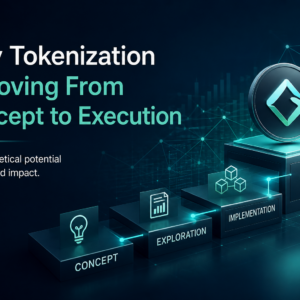
This week’s message is simple. Settlement risk is falling. Money is becoming programmable inside the rules. As banks, networks, and Swift connect fiat rails to token rails, tokenized cash, credit, and commodities move from concept to core market plumbing. That is where long-term adoption compounds. We will keep watching the rails, not just the charts, and we will position our products and our clients at the intersections where utility, transparency, and NAV discipline meet.
Onward,
Lewis Bateman
This newsletter is provided for informational purposes only and does not constitute investment advice. Always conduct your own research before making investment decisions.