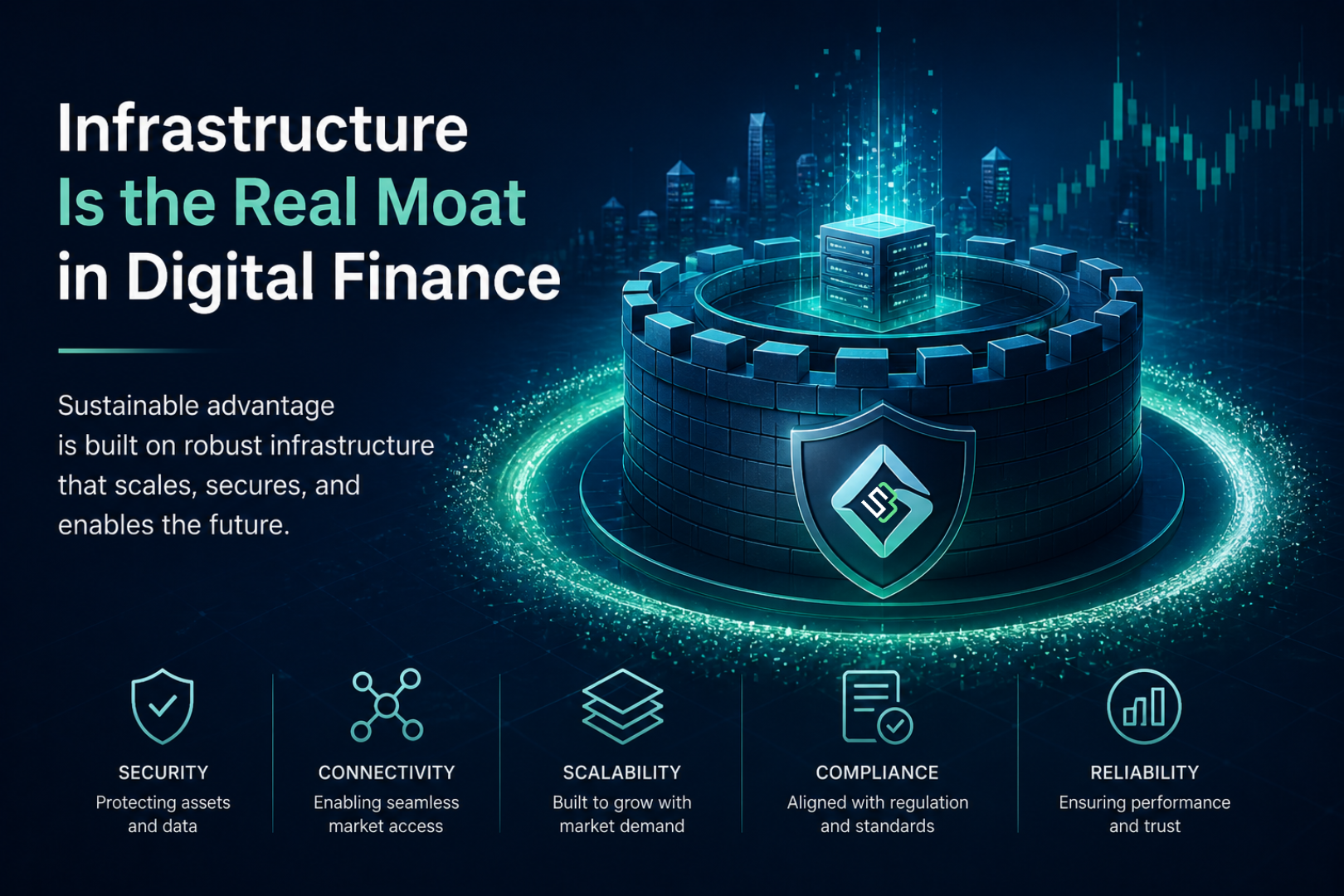
In digital finance, visible innovation often captures attention.
New platforms, user interfaces, and product features are easier to communicate and compare. However, these elements are rarely what create sustained competitive advantage.
Infrastructure is. Infrastructure determines how financial systems operate at a fundamental level. It governs how transactions are processed, how data is structured, and how different participants interact within the market.
This is what creates defensibility. Unlike features, which can be replicated, infrastructure requires integration, coordination, and alignment with broader financial systems. Once established, it becomes embedded within workflows and processes, making it significantly more difficult to replace.
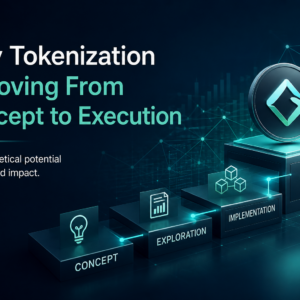
The importance of infrastructure is becoming more evident as digital assets and tokenization move toward practical implementation.
Deloitte notes that tokenization requires robust and scalable infrastructure to function within regulated environments, particularly in areas such as settlement, compliance, and asset servicing.
Similarly, research into capital markets transformation highlights that distributed systems can streamline post trade processes, reduce reconciliation costs, and enable real time data exchange across participants.
These improvements are not driven by features. They are driven by underlying systems.
There is also a strategic dimension to this shift.
The Shift
As financial markets evolve, the emphasis is moving toward reliability and execution. Market participants are increasingly prioritizing systems that perform consistently over those that simply offer new capabilities.
This reflects a broader maturation of the sector. Early stages of innovation often focus on experimentation and visibility. As markets develop, attention shifts toward scalability, integration, and long term performance.
Infrastructure sits at the center of this transition. For companies operating in digital finance, this creates a clear priority. Building infrastructure may not generate immediate visibility, but it supports execution, enables growth, and contributes to long term positioning.
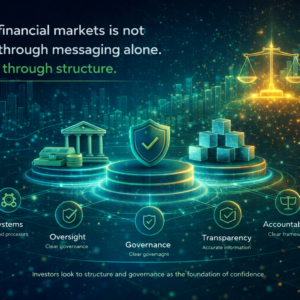
It also shapes how the market evaluates credibility. Organizations that invest in systems that align with regulatory expectations and operational requirements are more likely to be viewed as sustainable participants in the market.
In contrast, those that rely primarily on surface level innovation may struggle to maintain relevance as expectations evolve.
In digital finance, the most important differentiators are often not visible. They are built into the systems that support how markets function.
Understanding where infrastructure sits, and how it enables execution, provides a clearer view of where long term value is being created.
Sources
Deloitte, Tokenization in Financial Services: https://www.deloitte.com/us/en/industries/financial-services/articles/tokenization-in-financial-services.html?
Deloitte, Blockchain Technology and the Transformation of Capital Markets: https://www.deloitte.com/lu/en/Industries/investment-management/blogs/blockchain-technology-and-the-transformation-of-capital-markets.html?